
Cervical & Neural Pathologies
Is Graft Always Required? Empty Versus Allograft-Filled Titanium Mesh Cages in Single-Level ACCF
- Koç University Hospital, Istanbul, Türkiye
Abstract
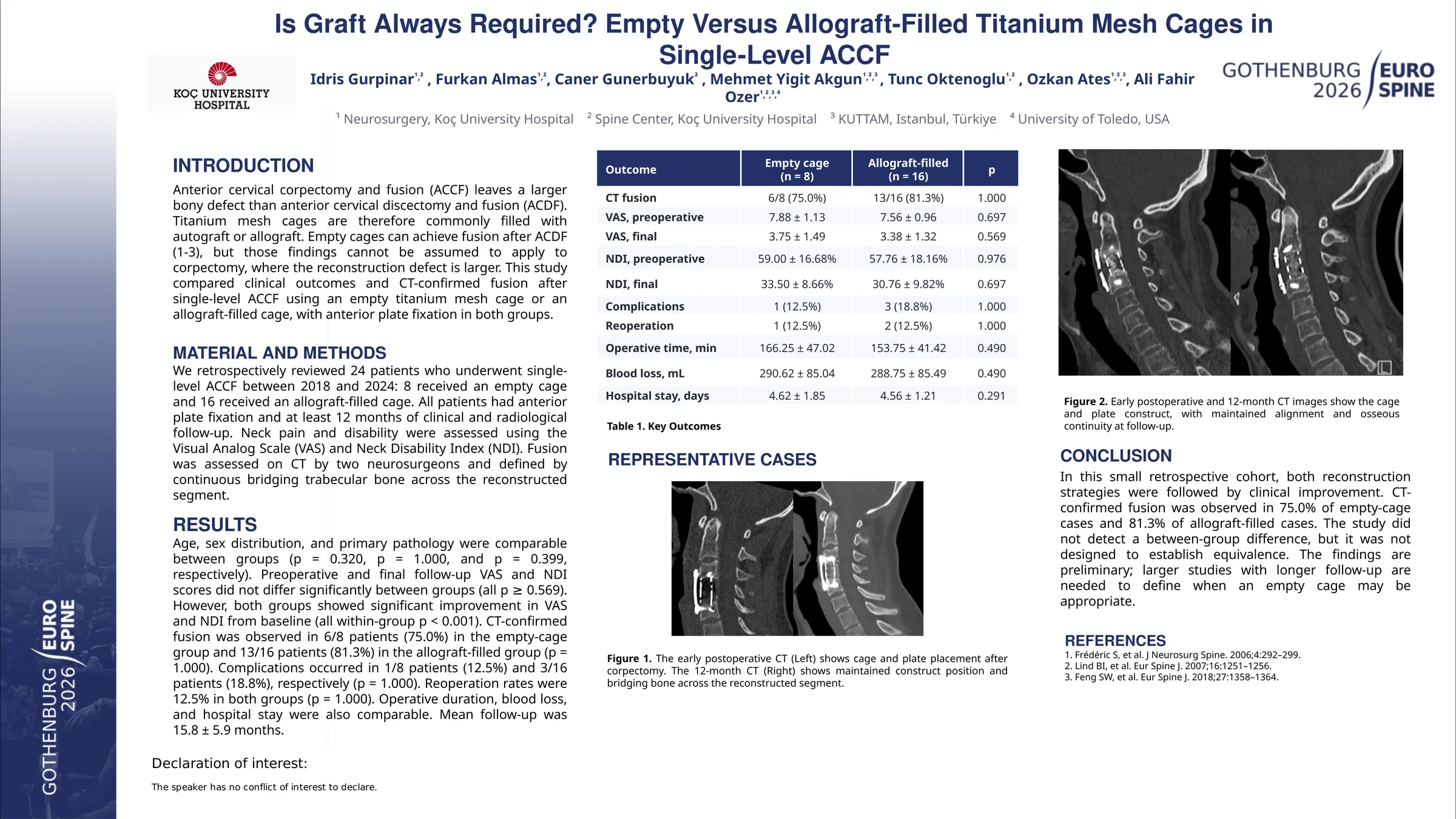
Anterior cervical corpectomy and fusion (ACCF) requires anterior column reconstruction after vertebral body resection. Although titanium mesh cages are commonly filled with graft material, autograft may not always be feasible and the routine use of allograft increases cost without clear evidence of superiority in all cases. In selected situations, reconstruction with an empty cage is therefore occasionally used in clinical practice. The aim of this study was to compare the radiological and clinical outcomes of single-level ACCF performed using empty versus allograft-filled titanium mesh cages.
A total of 24 patients who underwent single-level ACCF were retrospectively analyzed. Eight patients were reconstructed with an empty cage and 16 with an allograft-filled cage. Clinical outcomes were assessed using Visual Analog Scale (VAS) and Oswestry Disability Index (ODI). Fusion was evaluated on 12-month postoperative CT. Perioperative parameters, complications, and reoperation rates were compared.
Both groups demonstrated significant postoperative improvement in VAS and ODI scores (p < 0.001). Fusion was achieved in 75.0% of patients in the empty cage group and 81.2% in the allograft group, with no significant difference (p = 1.000). There were no significant differences between groups regarding clinical outcomes, fusion rates, operative time, blood loss, hospital stay, complication rates, or reoperation rates.
In selected single-level ACCF cases, reconstruction with an empty titanium mesh cage provides clinical and radiological outcomes comparable to those achieved with allograft-filled cages and may represent a reasonable alternative when biological grafting is not feasible or not desirable.
Figures and tables
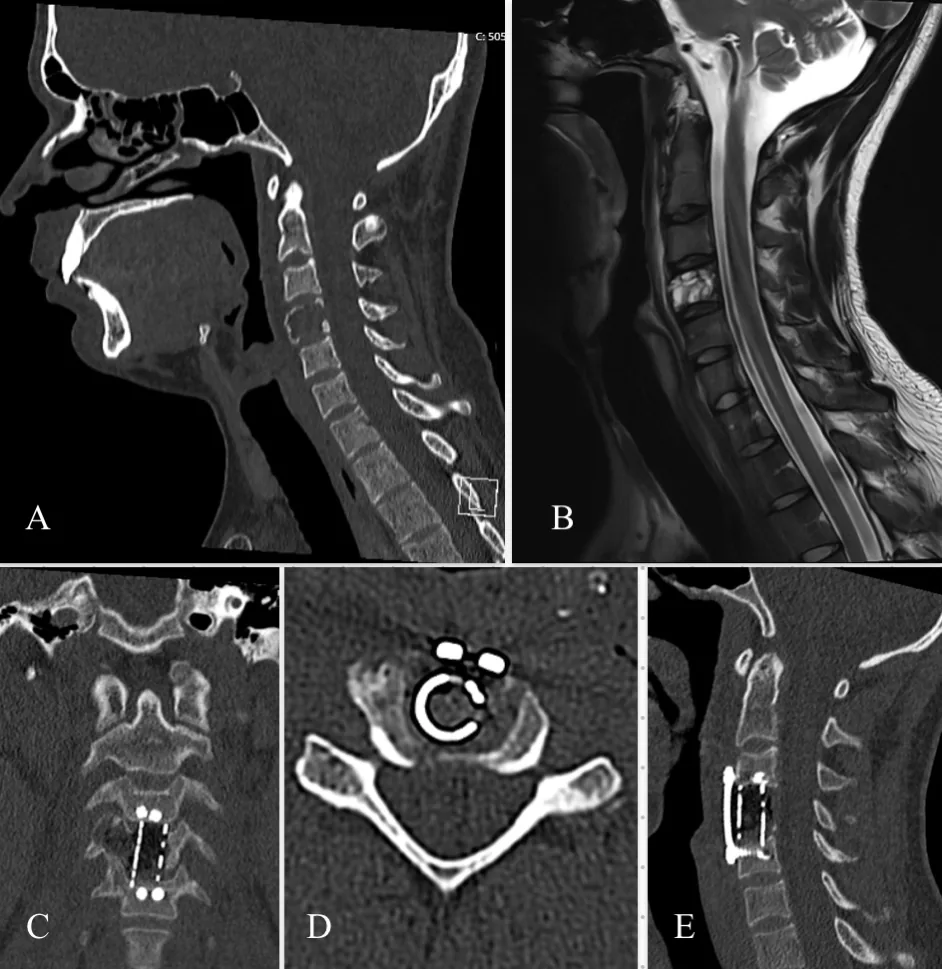
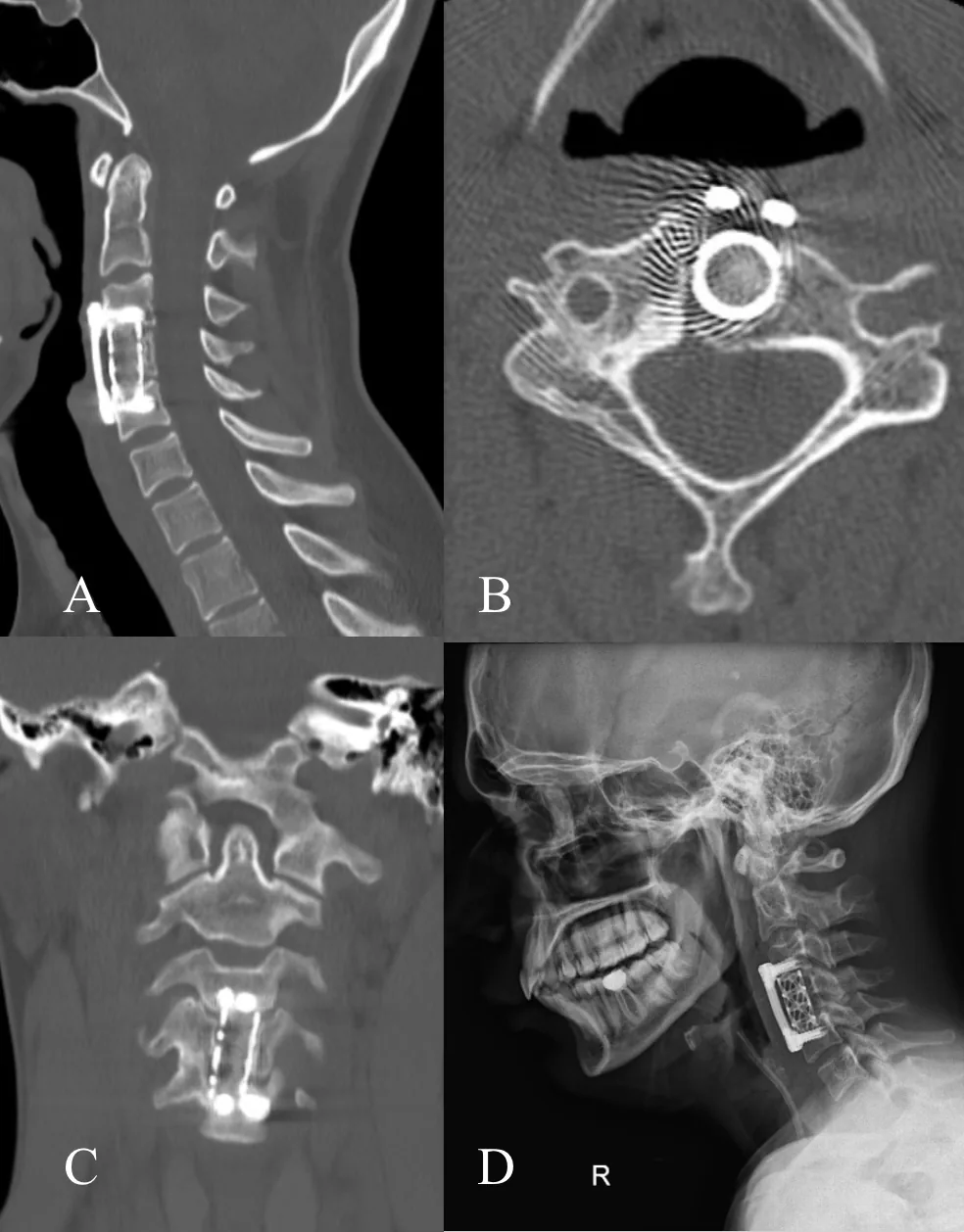
As submitted with the abstract. Tap a figure to open it at full size.