
Tumours & Infection
Early Discontinuation of Prophylactic Antibiotics is Safe in Spine Surgery: A Nationwide Cohort Study
- Seoul St. Mary's Hospital, The Catholic University of Korea, Seoul, Korea, Republic of
- Eunpyeong St. Mary's Hospital, College of Medicine, The Catholic University of Korea, Seoul, Korea, Republic of
- The Catholic University of Korea, Seoul, Korea, Republic of
Abstract
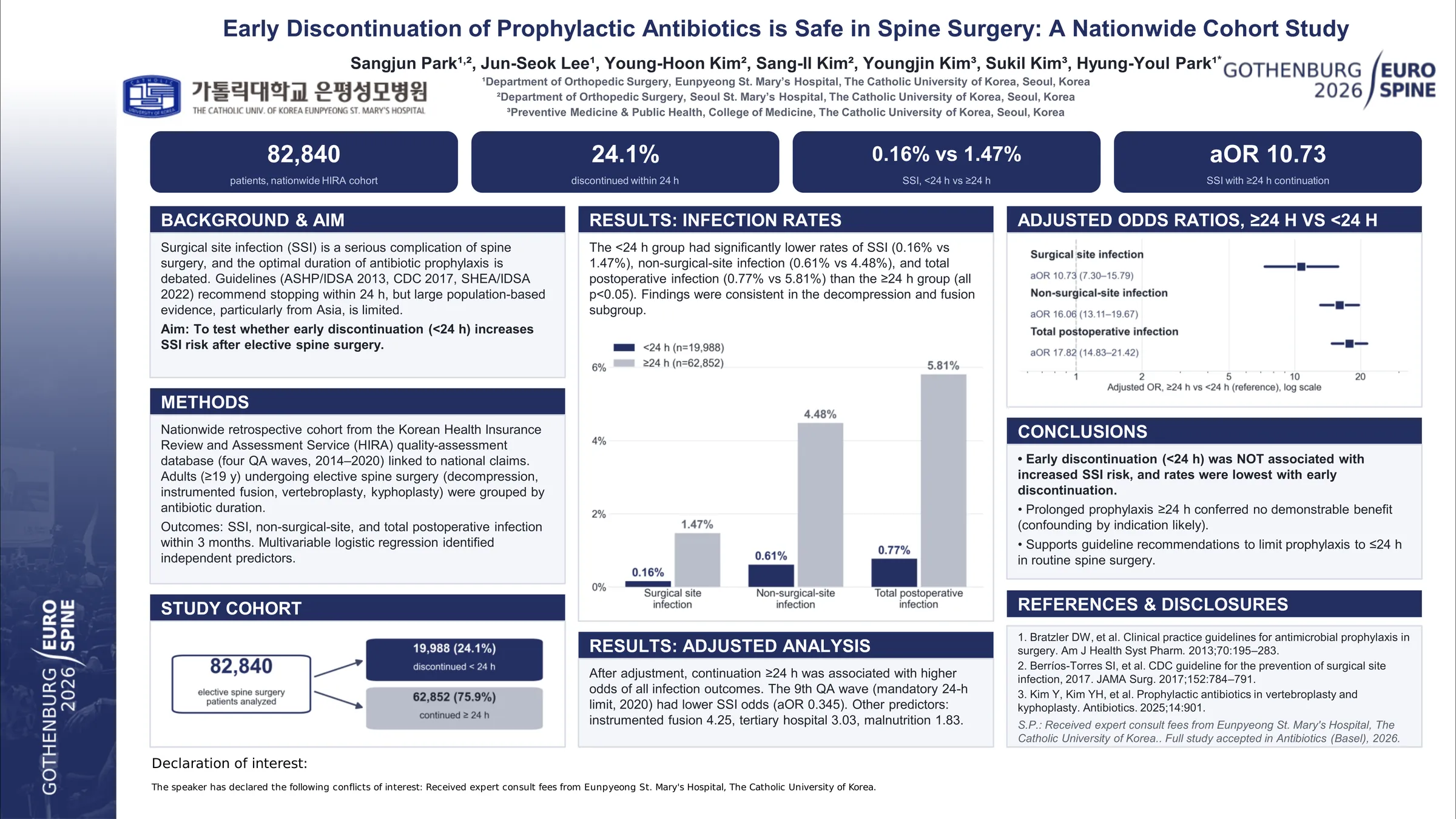
While guidelines recommend limiting prophylactic antibiotics to within 24 hours post-surgery, adherence still varies and the impact of strict duration limits on large-scale outcomes requires thorough validation. This study utilized the nationwide Health Insurance Review and Assessment (HIRA) Service database to evaluate the efficacy of prophylactic antibiotic administration discontinued within 24 hours versus prolonged administration in preventing surgical site infections (SSIs) following major spinal procedures.
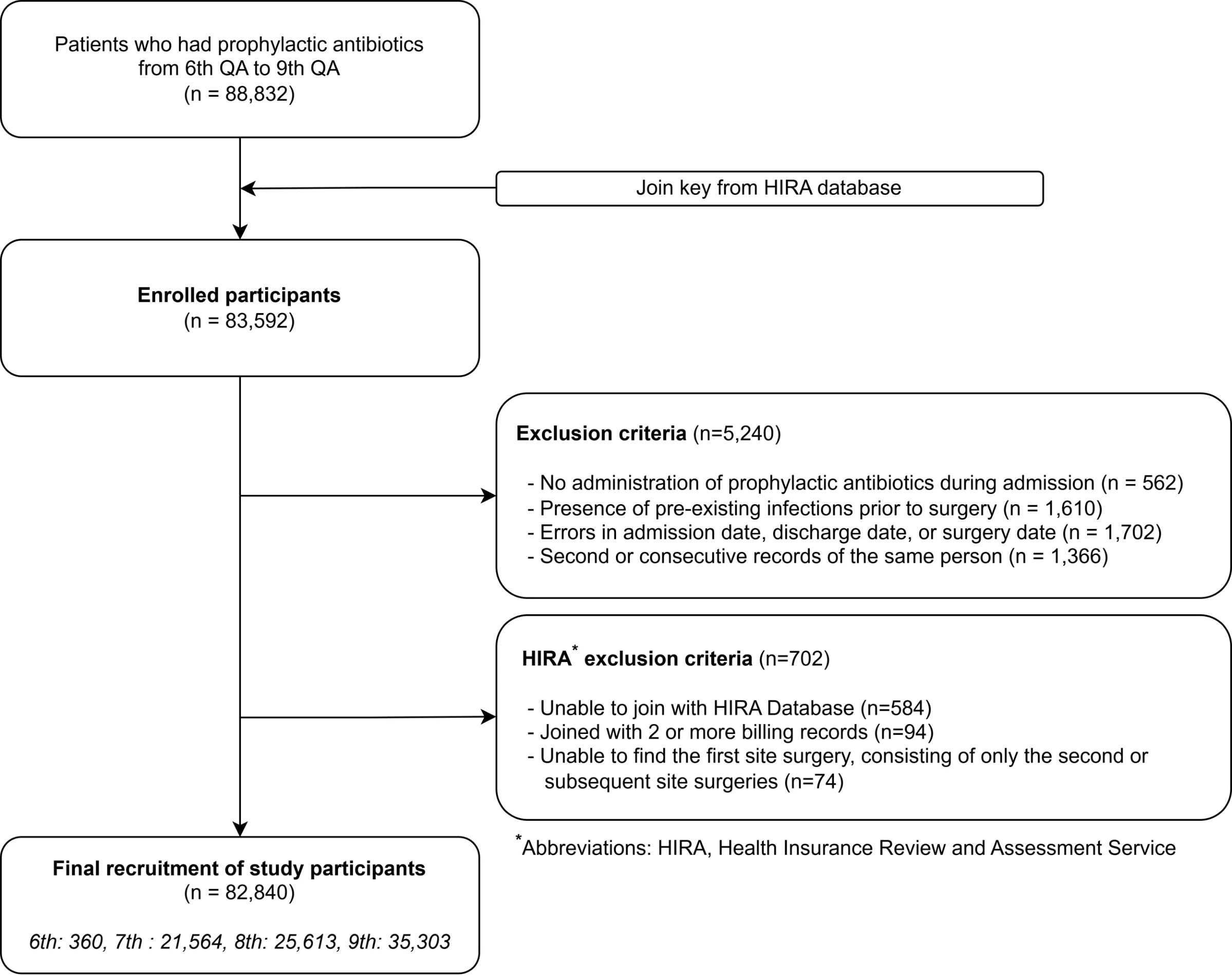
This retrospective nationwide cohort study analyzed data from the 6th to 9th Quality Assessment waves of the HIRA database. The study population consisted of 59,003 patients who underwent spinal decompression, instrumented fusion, vertebroplasty, or kyphoplasty. Patients were categorized into two groups based on the duration of prophylaxis: those discontinued within 24 hours of surgery (n = 9,754) and those receiving antibiotics for more than 24 hours (n = 49,249). The primary outcome was the incidence of SSIs. Multivariate logistic regression was employed to calculate odds ratios (ORs), adjusting for age, sex, comorbidities, hospital type, and antibiotic class.
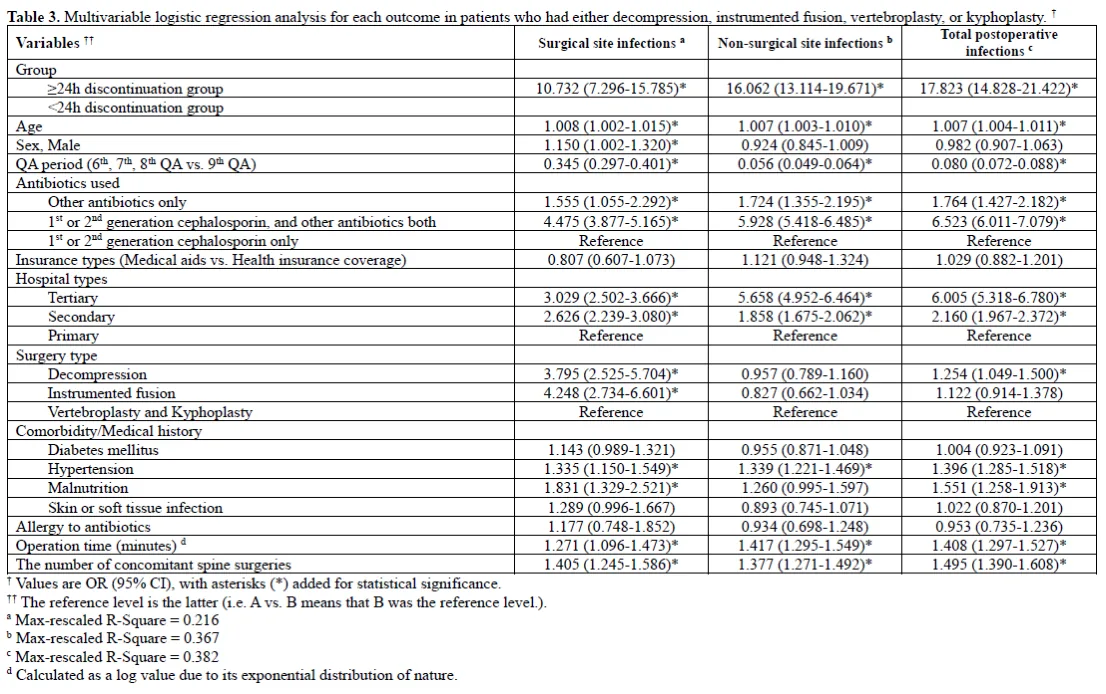
The overall incidence of SSIs was 1.54%. The SSI rate was significantly lower in the group where antibiotics were discontinued within 24 hours (0.19%) compared to the prolonged administration group (1.80%; p < 0.05). Prolonged antibiotic use was associated with higher odds of SSI (adjusted OR: 15.250; 95% CI: 9.538–24.383). Additional risk factors included tertiary hospital surgery, malnutrition, and combined antibiotic regimens.
Limiting prophylactic antibiotic duration to within 24 hours postoperatively is not associated with increased SSI risk following major spinal procedures.
Figures and tables
As submitted with the abstract. Tap a figure to open it at full size.